Korean Bibimbap
Uitgelicht onder: Internationale favorieten
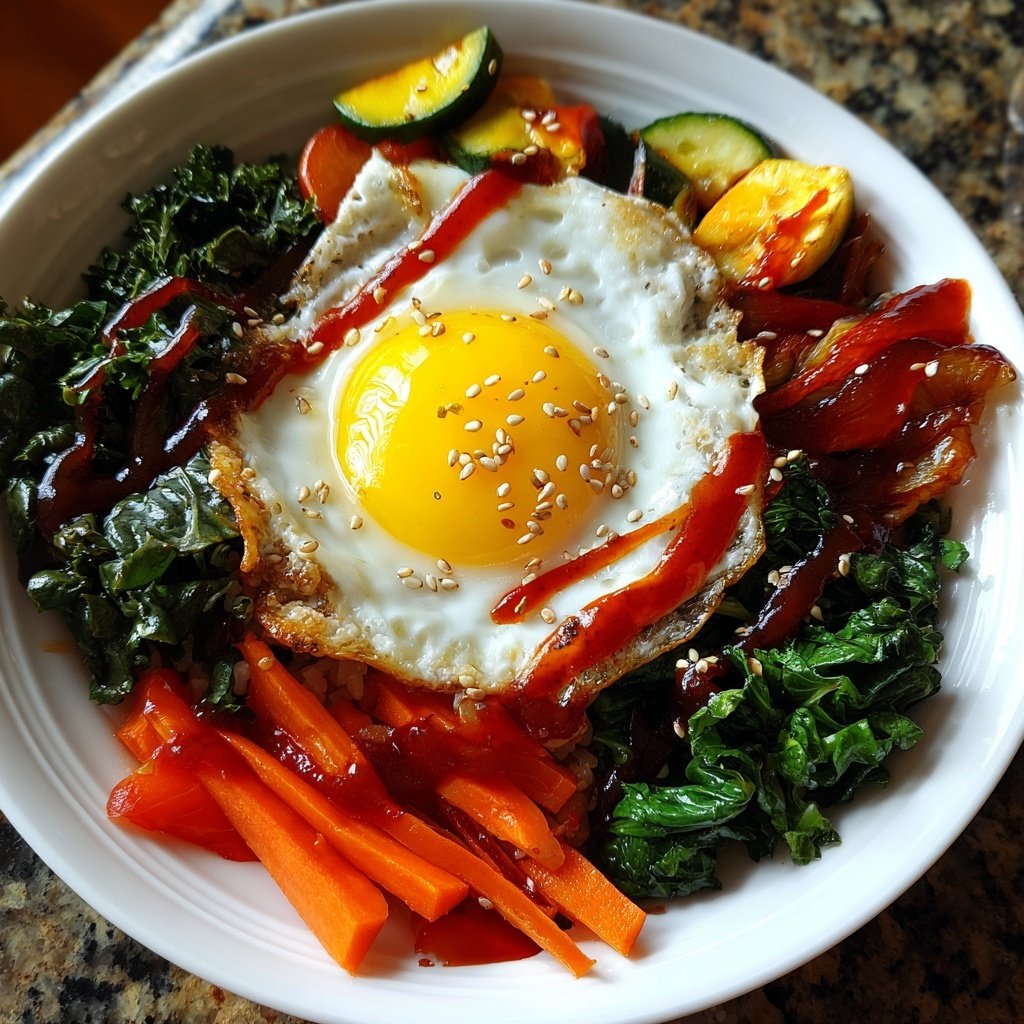
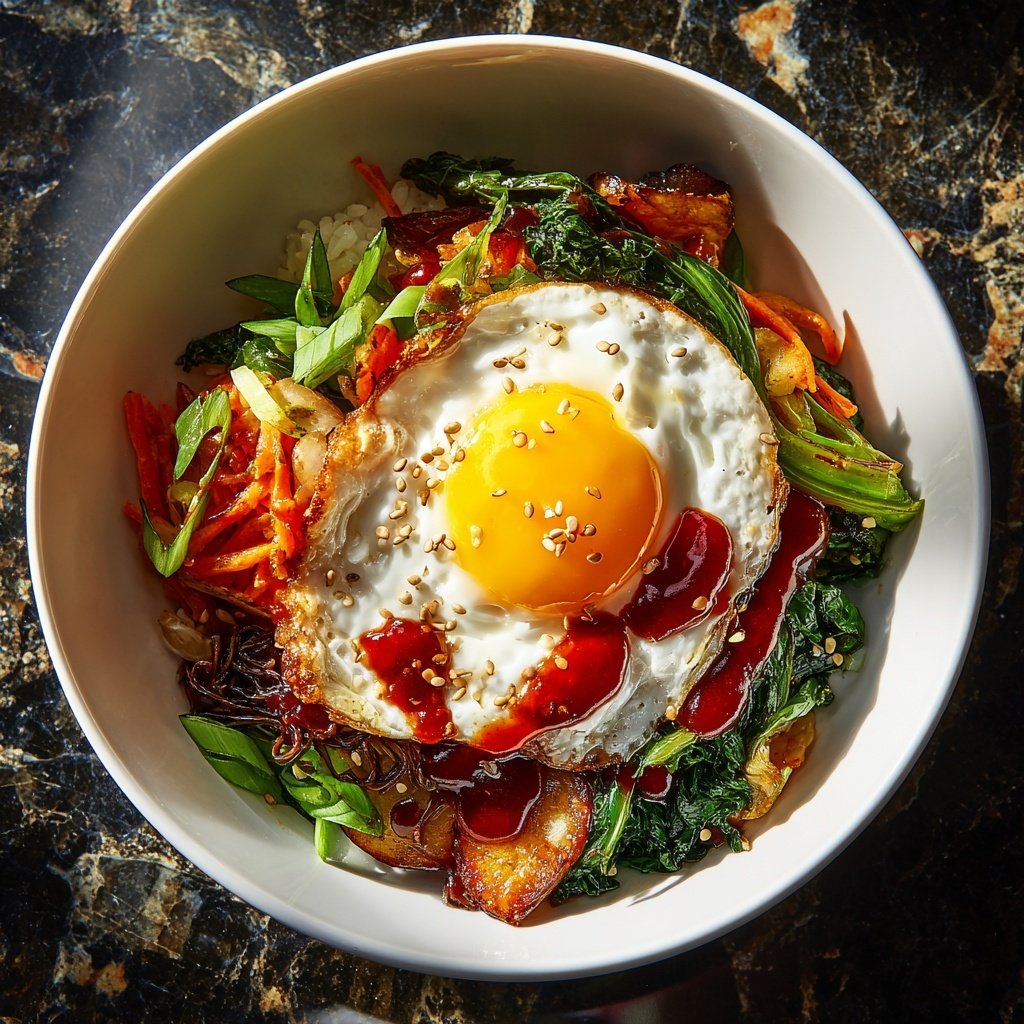
Korean Bibimbap is a vibrant and flavorful dish that combines rice with a variety of vegetables, meat, and a fried egg, all topped with a spicy gochujang sauce.
This Korean Bibimbap recipe is perfect for a nourishing meal that brings color and taste to your table. Each bite offers a mix of textures and flavors that will delight your palate.
Why You'll Love This Recipe
- A delightful combination of fresh vegetables and savory meat
- Customizable with your favorite toppings and sauces
- A beautiful dish that's as pleasing to the eye as it is to the taste
The Essence of Bibimbap
Bibimbap, translating to 'mixed rice,' is a cornerstone of Korean cuisine that reflects the country's emphasis on harmony and balance in meals. This dish showcases a beautiful array of colors, textures, and flavors, making it not only a treat for the palate but also for the eyes. Each ingredient contributes its unique taste, creating a delightful medley that will leave you craving more.
Traditionally, bibimbap is served in a hot stone bowl, which adds a crispy layer to the rice while keeping the dish warm until the very last bite. The combination of fresh vegetables, protein, and a spicy sauce elevates the dish, making it a wholesome meal that can be enjoyed any time of the day.
Customization and Variations
One of the best aspects of bibimbap is its versatility. You can easily customize it to suit your preferences or dietary needs. Whether you're a meat lover or a vegetarian, bibimbap can accommodate various proteins, such as chicken, beef, tofu, or even seafood. You can also experiment with different vegetables, like bell peppers or radishes, to create your perfect bowl.
For those who enjoy a bit of crunch, consider adding some roasted seaweed or sesame seeds on top. This not only enhances the flavor but also adds a delightful texture. The gochujang sauce can be adjusted in spiciness, allowing you to tailor the heat level to your liking. The possibilities are endless!
Health Benefits of Bibimbap
Korean bibimbap is not only delicious but also packed with nutrients. The variety of vegetables provides essential vitamins and minerals, while the protein from meat or tofu supports muscle health and energy levels. The dish is rich in fiber, thanks to the abundance of vegetables, which aids in digestion and keeps you feeling full.
Additionally, bibimbap can be a low-calorie meal option when prepared with mindful ingredients. By choosing brown rice and incorporating more vegetables, you can create a healthier version without sacrificing flavor. This makes bibimbap an excellent choice for those looking to maintain a balanced diet while indulging in a flavorful dish.
Ingredients
Base Ingredients
- 2 cups cooked rice
- 4 eggs
- 1 tablespoon vegetable oil
Vegetables
- 1 cup spinach, blanched
- 1 cup carrots, julienned
- 1 cup zucchini, julienned
- 1 cup bean sprouts
- 1 cup shiitake mushrooms, sliced
Meat
- 1 cup ground beef or tofu, cooked
Sauce
- 4 tablespoons gochujang (Korean chili paste)
- 2 tablespoons sesame oil
- 1 tablespoon sugar
- 1 tablespoon water
Feel free to modify the ingredients based on your preferences or dietary needs.
Instructions
Prepare the Vegetables
In a pan, sauté the carrots, zucchini, and shiitake mushrooms separately until tender. Blanch the spinach and bean sprouts in boiling water for a couple of minutes.
Cook the Eggs
Fry the eggs sunny-side up in vegetable oil until the whites are set but the yolks are still runny.
Make the Sauce
In a small bowl, mix together gochujang, sesame oil, sugar, and water until well combined.
Assemble the Bibimbap
In a large bowl, layer the cooked rice and arrange the sautéed vegetables, cooked meat, and fried egg on top. Drizzle with the gochujang sauce.
Mix well before eating to combine all the flavors together!
Professionele Tips
- You can add more vegetables or change the protein according to your taste. Try adding kimchi for an extra kick!
Tips for Perfect Bibimbap
To achieve the best flavors in your bibimbap, use fresh, high-quality ingredients. When selecting vegetables, look for vibrant colors and crisp textures. This not only enhances the taste but also ensures a visually appealing dish. Additionally, cooking the vegetables separately allows each one to retain its unique flavor and texture, creating a more harmonious blend when combined.
Don’t rush the frying of the eggs; a perfectly cooked sunny-side-up egg with a runny yolk is essential for the authentic experience of bibimbap. The yolk serves as a natural sauce, blending beautifully with the rice and vegetables.
Serving Suggestions
Bibimbap is perfect for a family meal or a gathering with friends. Serve it in individual bowls, allowing everyone to mix their ingredients to their liking. This interactive element adds to the fun and encourages creativity in how each person enjoys their dish.
Pair your bibimbap with a side of kimchi or pickled vegetables to amplify the flavors and add a probiotic boost to your meal. A refreshing cucumber salad can also complement the dish well, providing a crisp contrast to the warmth of the bibimbap.
Vragen Over Recepten
→ Can I make Bibimbap vegetarian?
Yes! Simply substitute the meat with tofu or add more vegetables.
→ What can I use instead of gochujang?
If you can't find gochujang, you can use a mix of miso paste and chili flakes for a similar flavor.
→ Can Bibimbap be made ahead of time?
Yes, you can prepare the ingredients in advance and assemble them just before serving.
→ Is Bibimbap gluten-free?
It can be gluten-free if you use gluten-free soy sauce and ensure all ingredients are gluten-free.
Korean Bibimbap
Gemaakt door: Hannah Lewis
Recepttype: Internationale favorieten
Vaardigheidsniveau: Intermediate
Eindportie: 4 servings
Wat je Nodig Hebt
Base Ingredients
- 2 cups cooked rice
- 4 eggs
- 1 tablespoon vegetable oil
Vegetables
- 1 cup spinach, blanched
- 1 cup carrots, julienned
- 1 cup zucchini, julienned
- 1 cup bean sprouts
- 1 cup shiitake mushrooms, sliced
Meat
- 1 cup ground beef or tofu, cooked
Sauce
- 4 tablespoons gochujang (Korean chili paste)
- 2 tablespoons sesame oil
- 1 tablespoon sugar
- 1 tablespoon water
Stappen
In a pan, sauté the carrots, zucchini, and shiitake mushrooms separately until tender. Blanch the spinach and bean sprouts in boiling water for a couple of minutes.
Fry the eggs sunny-side up in vegetable oil until the whites are set but the yolks are still runny.
In a small bowl, mix together gochujang, sesame oil, sugar, and water until well combined.
In a large bowl, layer the cooked rice and arrange the sautéed vegetables, cooked meat, and fried egg on top. Drizzle with the gochujang sauce.
Extra Tips
- You can add more vegetables or change the protein according to your taste. Try adding kimchi for an extra kick!
Voedingswaarde (Per Portie)
- Calories: 600 kcal
- Total Fat: 25g
- Saturated Fat: 6g
- Cholesterol: 210mg
- Sodium: 800mg
- Total Carbohydrates: 75g
- Dietary Fiber: 6g
- Sugars: 5g
- Protein: 22g